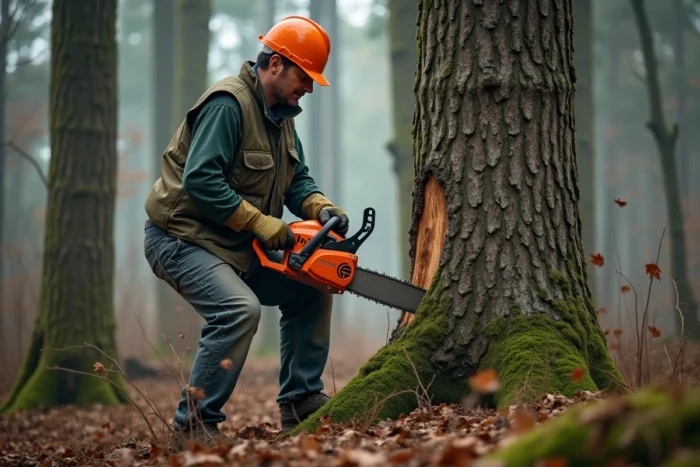
The French forest-wood sector employs over 418,300 people and has generated 45,800 jobs in eight years, according to data shared by the #VeryWoodMetiers 2026 campaign. Despite this momentum, 67% of employers report recruitment difficulties, particularly for field positions. Understanding the actual mapping of wood and forestry jobs requires going beyond traditional job descriptions to examine technical skills, regulatory changes, and the tensions that structure the sector.
Forest mechanization and digital skills in the field
The role of forest machinery operator has changed significantly over the past decade. Current harvesters and forwarders are equipped with geolocation systems, real-time volume sensors, and assisted control interfaces. We observe that mastery of these digital tools now conditions access to the most demanding logging sites.
Operating forest machinery today requires a dual mechanical and digital skill set. An operator who cannot configure an onboard computer or interpret volume data loses productivity and cutting precision. Training programs such as CAPA or BPA forestry work are gradually integrating these modules, but the gap between educational offerings and the reality of the machinery fleet remains significant.
On mechanized sites, planning relies on GIS (geographic information systems) tools that map plots, protection zones, and forwarding routes. The forestry technician preparing the site must cross-reference topographical data, environmental constraints, and silvicultural objectives. This increase in digital skills affects the entire chain, from the manual logger using survey applications to the forest manager modeling the growth of stands.

Specialized structures like J3M support professionals in managing and maintaining technical equipment, a link often underestimated in the wood sector where the availability of machines conditions the profitability of sites.
Recruitment tension in forestry jobs: technical causes
The shortage of candidates for field jobs is not just an image problem. It primarily stems from physically demanding working conditions, marked seasonality, and a constantly rising qualification level that salary scales do not always reflect.
The profession of logger concentrates these difficulties. Working in the forest involves heavy ergonomic constraints (carrying loads, vibrations, exposure to the elements) and a strict regulatory framework regarding safety. Mandatory certifications (chainsaw operation, working at heights for pruning) lengthen the entry path into the profession without proportional salary increases.
- Harvester and forwarder operators are among the most sought-after profiles, with vacant positions in most French forest regions.
- Forest technicians capable of conducting digital inventories and writing management plans are rare, as initial training remains more field-oriented than data-oriented.
- Qualified sawmill operators (visual grading, operating automated sawing lines) struggle to be replaced when they retire.
The #VeryWoodMetiers 2026 campaign, coordinated by CODIFAB and the Fibois network, explicitly targets 15-25 year-olds with site visits, sawmills, and workshops. We recommend following these initiatives as they reflect a collective awareness of the sector.
Sustainable forest management and evolution of silvicultural practices
The management of a forest in France relies on planning documents (simple management plans, forest management plans) that regulate cuts and work over cycles of ten to twenty years. The forest manager arbitrates between wood production, carbon storage, and biodiversity preservation, three sometimes contradictory objectives.
The rise of low-carbon wood in construction has changed expectations regarding the resource. Sawmills seek calibrated logs from stands managed according to precise silvicultural routes (scheduled thinnings, early pruning). The silviculturist planting today anticipates rotations of several decades, incorporating climate projections for their territory.
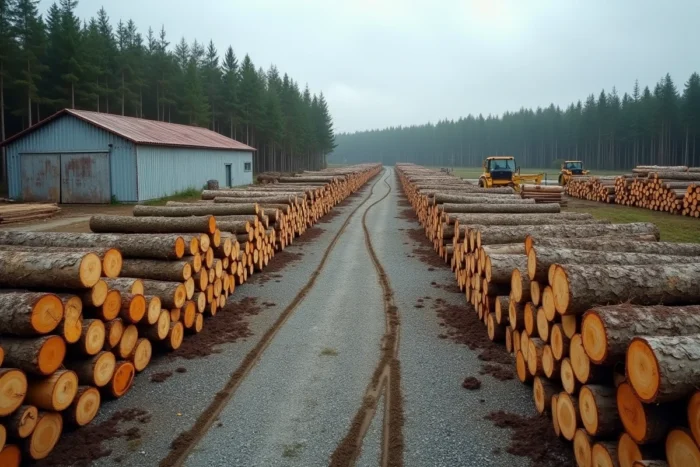
The ONF manages public forests (state and communal) while private forests, which represent the vast majority of the national wooded area, fall under forest cooperatives and independent experts. The structuring of private forests remains a major issue for the sector, as the fragmentation of properties hinders wood mobilization and marketing.
Training and pathways in the wood sector: from CAP to engineering degree
The training system covers a broad spectrum. The CAPA forestry program trains field operators in two years after middle school. The BTS in forest management or the BTS in wood development and production (BTS DRB) open up technician positions. Engineering schools (AgroParisTech, ENSTIB) train management and transformation executives.
- The specialization certificate for climbing arborists (level 4) allows access to pruning and tree care work, a growing segment with urbanization.
- Professional licenses in “natural resources and forestry” exist in several universities, including one in Guyana for tropical specifics.
- Continuing education is structured around low-carbon challenges and wood construction, with modules offered by Fibois networks in the region.
The national A2ForBois program, winner of the “Skills and Jobs of the Future” call for interest, aims to adapt training reference frameworks to the technological and climatic changes in the sector. This type of initiative marks a turning point in how the sector anticipates its skills needs.
The forest-wood sector remains an area where career progression follows concrete paths: a logger trained in machinery operation can advance to a site manager position, then to an operations manager. Professional development in wood jobs relies more on acquired certifications than on initial diplomas. It is this permeability between qualification levels that makes the sector attractive for profiles in transition.